
“Because having your story told as a woman, as a person of color, as a lesbian, as a trans person, or as any member of any disenfranchised community, is sadly often still ad radical idea. There is so much power in inclusive storytelling, in inclusive representation.”
— Kerry Washington
The following novels are written by people of color. Often, but not always, the backgrounds of these authors make their way into their books in one way or another that I find extremely beautiful and significant.
Read on to discover something new and perhaps broaden your horizon along the way.
Disclaimer: Please note that I have organized these novels into this list so that people specifically looking for books written by writers of color find it easily accessible. That being said, please note that these novels are comprised of more than just the background of their authors and should be taken as literary achievements on their own like any other book in their category.
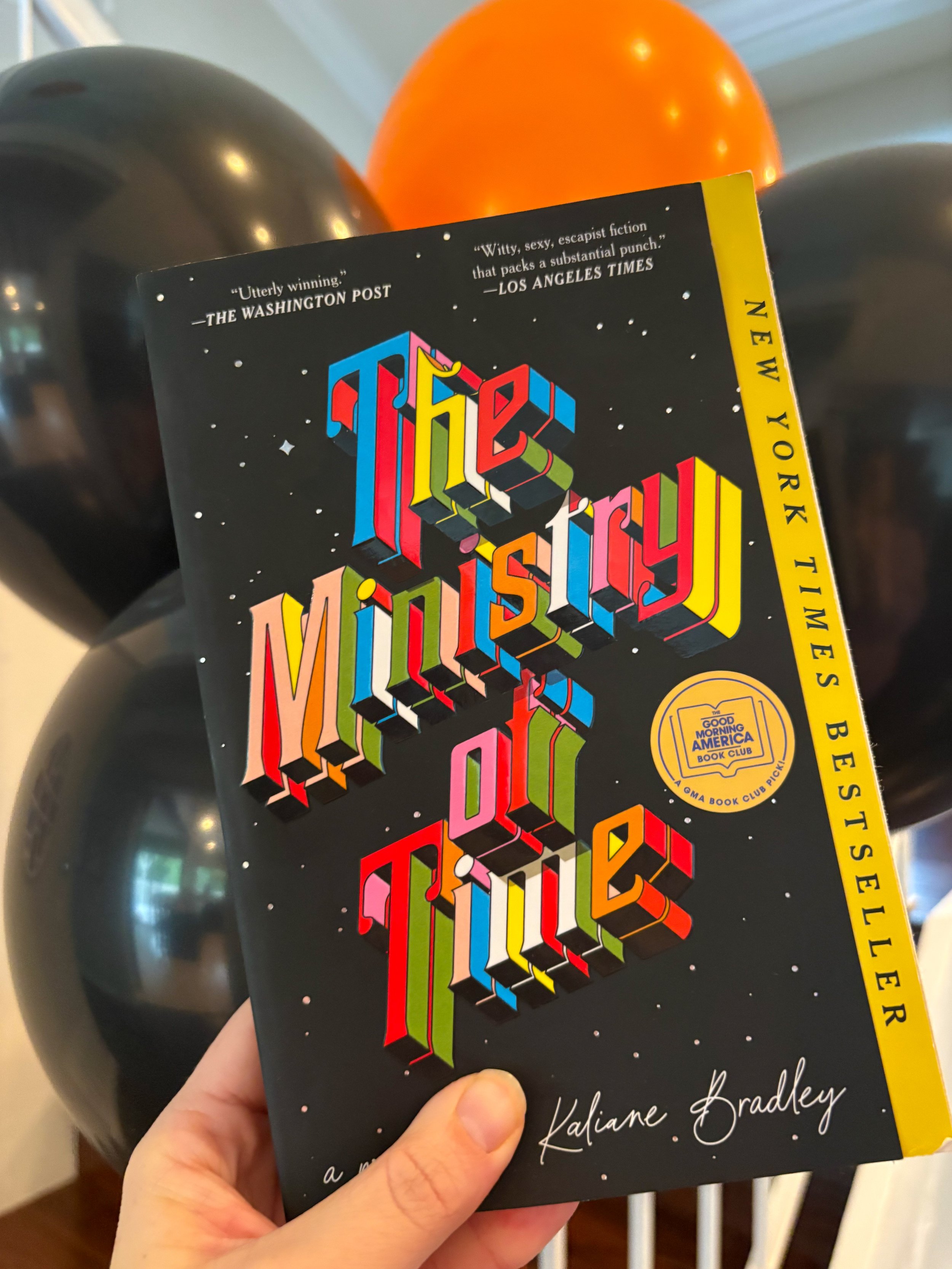
The Ministry of Time
Title: The Ministry of Time
Author: Kaliane Bradley
Review: 6/10
Synopsis: In the near future, a civil servant is offered the salary of her dreams and is, shortly afterward, told what project she’ll be working on. A recently established government ministry is gathering “expats” from across history to establish whether time travel is feasible—for the body, but also for the fabric of space-time.
She is tasked with working as a “bridge”: living with, assisting, and monitoring the expat known as “1847” or Commander Graham Gore. As far as history is concerned, Commander Gore died on Sir John Franklin’s doomed 1845 expedition to the Arctic, so he’s a little disoriented to be living with an unmarried woman who regularly shows her calves, surrounded by outlandish concepts such as “washing machines,” “Spotify,” and “the collapse of the British Empire.” But with an appetite for discovery, a seven-a-day cigarette habit, and the support of a charming and chaotic cast of fellow expats, he soon adjusts.
Over the next year, what the bridge initially thought would be, at best, a horrifically uncomfortable roommate dynamic, evolves into something much deeper. By the time the true shape of the Ministry’s project comes to light, the bridge has fallen haphazardly, fervently in love, with consequences she never could have imagined. Forced to confront the choices that brought them together, the bridge must finally reckon with how—and whether she believes—what she does next can change the future.